
The integration of digital twins for small to medium-sized business operations and logistics
Let’s be honest. When you hear “digital twin,” you might picture a massive, futuristic control room for a billion-dollar factory. It sounds like tech for the giants, right? Something far out of reach for a small or medium-sized business.
Well, here’s the deal: that perception is changing. Fast. The integration of digital twins into SMB operations and logistics is no longer a sci-fi fantasy. It’s a practical, increasingly affordable tool that can give you a crystal-clear window into your entire business. Think of it as a living, breathing blueprint of your physical world—a virtual replica that learns, simulates, and helps you make smarter decisions without ever touching a real pallet or truck.
What exactly is a digital twin for an SMB? (No jargon, promise)
Forget the textbook definition. For an SMB, a digital twin is essentially a dynamic digital copy. It’s not just a 3D model or a static diagram. It’s a connected system that mirrors your real-world operations—your warehouse layout, your delivery routes, your production line, even your inventory levels—using data from sensors, IoT devices, and your existing software.
This virtual model updates in real-time. So, if a machine on your shop floor starts running slow, its digital twin shows it. If a delivery van hits traffic, the twin sees the delay. You get to see the ripple effects before they become costly problems. It’s like having a time machine and a magnifying glass for your business processes.
Why now? The SMB pain points digital twins solve
SMBs are often agility champions, but they operate with razor-thin margins. A single logistics snag or an hour of unplanned downtime can hurt. A lot. The integration of digital twins directly tackles these high-stress points:
- Blind spots in logistics: You know the feeling. Where’s that shipment? Is the warehouse team picking efficiently? A digital twin of your supply chain visualizes every movement, predicting delays and optimizing routes. It turns guesswork into foresight.
- The “what-if” paralysis: Want to rearrange your warehouse for peak season? Or change a manufacturing step? Experimenting in the real world is expensive and disruptive. With a digital twin, you can simulate changes in the virtual world first. Test layouts, processes, and workflows risk-free.
- Reactive vs. proactive maintenance: That critical machine breaking down is a nightmare. Digital twins monitor equipment health, allowing for predictive maintenance. You fix things just before they’re likely to fail, not after they already have.
- Inefficient resource use: Energy, space, labor—it’s all money. A twin can model energy flow in your facility or space utilization in your warehouse, highlighting waste you simply couldn’t see before.
Getting started: It’s more accessible than you think
Okay, so you’re intrigued. But how does a smaller business actually start with digital twin technology? The key is to think modular, not monolithic. You don’t need to twin your entire operation on day one.
Start with a single, high-impact process
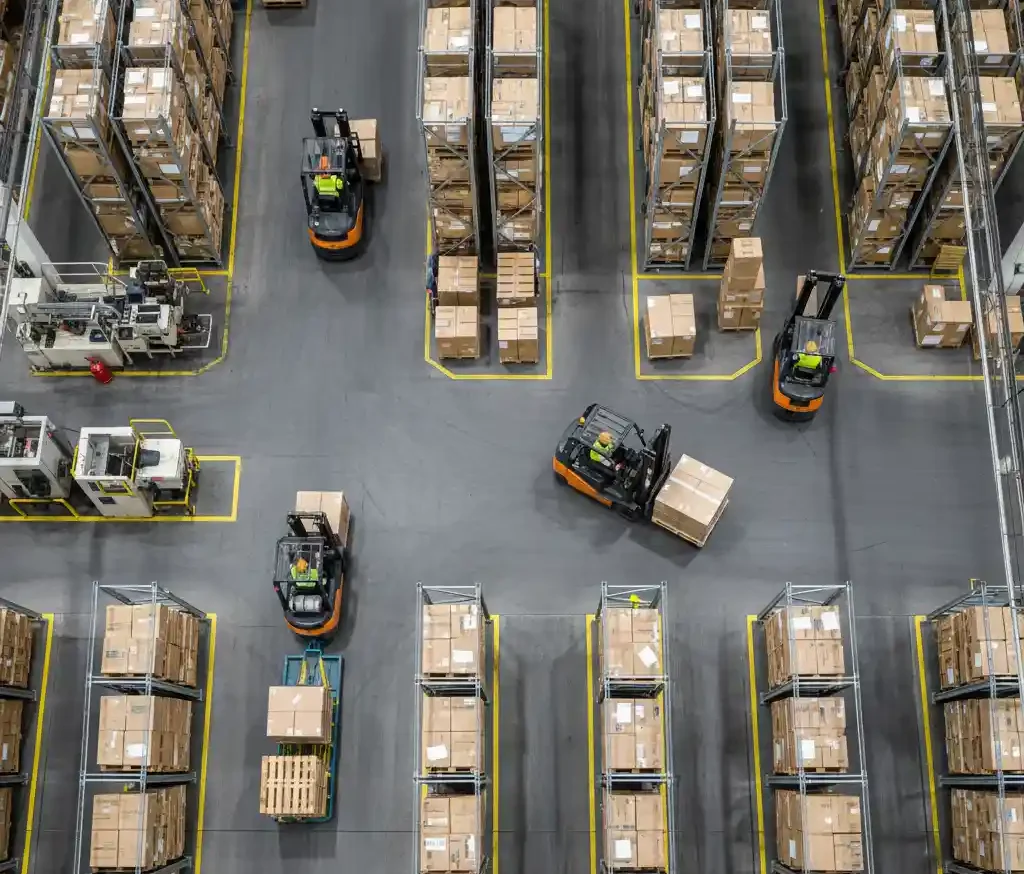
Identify one area where visibility is low but the cost of failure is high. For many, that’s the warehouse logistics and inventory management process. A simple digital twin here might connect your inventory management software with sensor data from key storage zones.
You’d see a live map of stock levels, hot spots for picking activity, and even simulate how a new goods-in process would flow. The ROI becomes clear quickly, funding the next step.
Leverage the tools you already have
Honestly, you might be halfway there. Many SMBs already use platforms like ERP or warehouse management systems. These are goldmines of data. Modern digital twin platforms for SMBs are built to integrate with these existing systems, pulling data to bring the virtual model to life without starting from scratch.
A real-world example: The mid-sized distributor
Let’s make this concrete. Imagine a family-owned food distributor. Their cold storage logistics were a constant headache—energy costs were soaring, and some products were too close to warming thresholds during cross-docking.
They implemented a basic digital twin of their cold chain. It integrated temperature sensors from their trucks and storage units with their delivery schedule software.
| Challenge | Digital Twin Solution | Outcome |
| Energy waste in storage | Modeled airflow and door activity to identify inefficiencies | Reduced cooling costs by 18% |
| Product quality risk during loading | Simulated different loading bay schedules and door assignments | Minimized temperature exposure, cutting spoilage by 15% |
| Unpredictable delivery delays | Linked twin to live traffic data for route simulation | Improved on-time deliveries by 22% |
They didn’t build a twin of the whole company. They started with the most painful link in their chain. And the results? Well, they spoke for themselves.
The human element: Augmenting, not replacing
A common fear is that this tech will replace people. In reality, for an SMB, it does the opposite. It augments your team’s expertise. Your warehouse manager’s years of instinctual knowledge? Now it’s combined with precise, data-driven simulations. They can propose a change and see the potential outcome before lifting a single box.
It empowers decision-making at every level. That’s the real magic—it turns intuition into informed strategy.
Looking ahead: Your business, but smarter
The integration of digital twins isn’t about chasing a trend. It’s about building resilience and a sharper competitive edge. For small to medium-sized businesses, the future belongs to those who can adapt quickly, use resources wisely, and foresee hiccups before they happen.
This technology is the lens that brings that future into focus. It starts with a single step—a single process, a single pain point. You build from there. The question isn’t really if SMBs will adopt these virtual models, but how soon they’ll realize the power they have to demystify their own operations.
And that power, once tapped, changes everything. It turns the daily grind of logistics and operations into a game you can actually win. Not by working harder, but by seeing clearer.

