
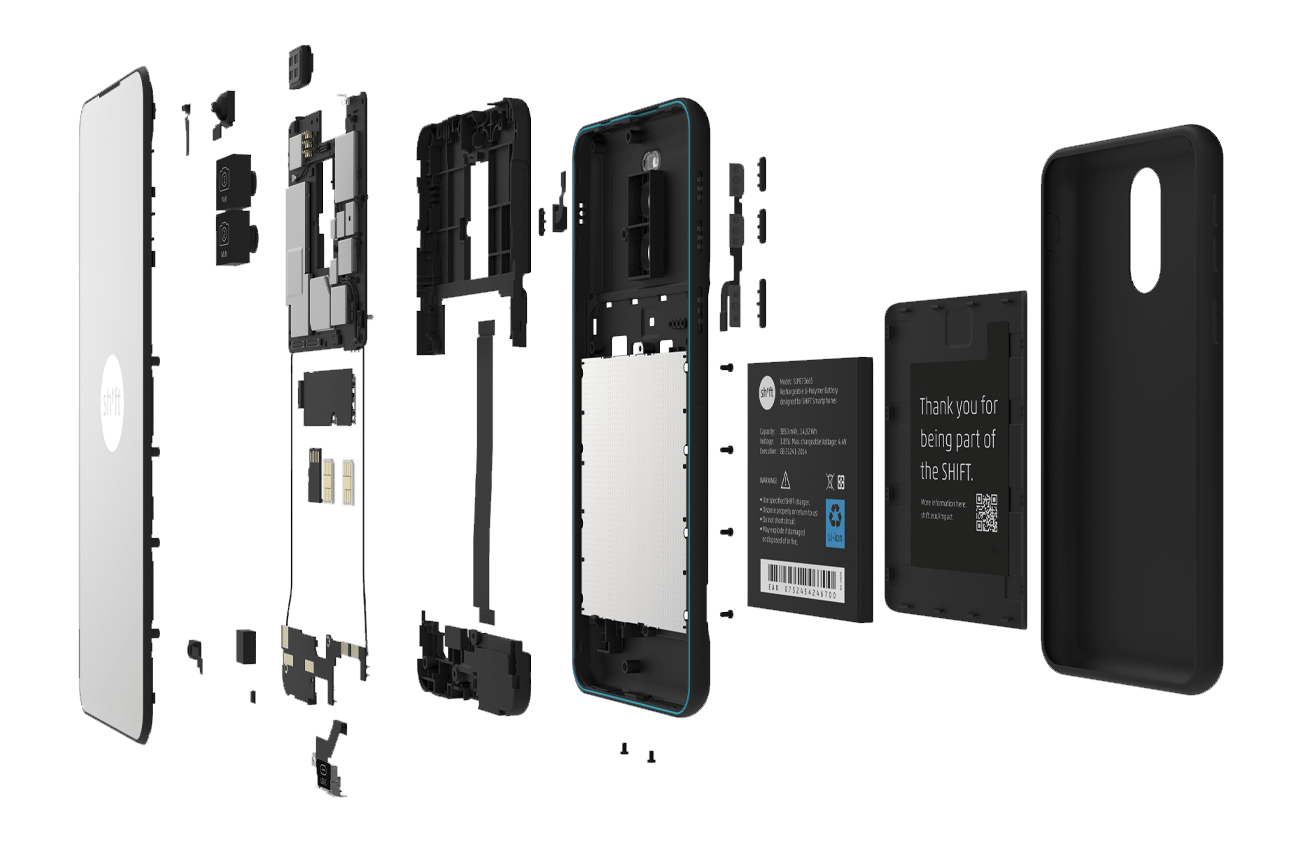
The Rise of Modular and Repairable Consumer Electronics: A Quiet Revolution in Your Pocket
You know the feeling. The phone slips, the screen shatters into a spiderweb of cracks. Or the laptop battery swells, a bloated brick refusing to hold a charge. For years, the only answer seemed to be a costly professional repair—or, more often, a trip to the checkout for a brand-new, shiny replacement. It felt inevitable, a tax on modern life.
But a shift is happening. A growing, almost rebellious movement is pushing back against the disposable tech cycle. It’s the rise of modular and repairable consumer electronics. And honestly, it’s about more than just saving money. It’s about reclaiming ownership, reducing waste, and building gadgets that adapt with us.
Why Now? The Perfect Storm of Frustration and Awareness
Let’s dive in. This trend didn’t emerge from a vacuum. It’s a direct response to a few key pressures. First, consumer frustration hit a boiling point. Devices became thinner, sleeker, and more glued together. Repair manuals were locked away. Spare parts? Nearly impossible to get. The term “planned obsolescence” moved from conspiracy theory to accepted reality.
Second, the environmental impact became impossible to ignore. E-waste is the world’s fastest-growing domestic waste stream. It’s a toxic, messy problem. People started asking: do I really need a new phone every two years? The answer, for a growing number, is a resounding “no.”
Finally, the “Right to Repair” movement gained serious legal and social traction. From farmers fighting to fix their tractors to legislation in the EU and several U.S. states, the idea that you own what you buy—and should be able to fix it—is becoming law. This created the runway for companies brave enough to build things differently.
Modular vs. Repairable: What’s the Difference?
Okay, so these terms get tossed around a lot. They’re related, but not quite the same. Think of it like this:
- Repairable Design is about access. It means using standard screws instead of glue, making batteries and screens replaceable with common tools, and providing official repair guides and parts. It’s like a car with a hood that opens. You might not be a mechanic, but someone can get in there to swap the alternator.
- Modular Design takes it a step further. It’s about upgradability and customization. Imagine a smartphone where the camera module clicks out, and you can snap in a newer, better one in two years. Or a laptop where you can upgrade the RAM, storage, and even the CPU without buying a whole new machine. It’s tech as LEGO—built to evolve.
Modular is the dream, but repairable is the crucial, achievable first step. Most of the current wave is focused on that repairability foundation.
The Pioneers and What They’re Getting Right
Sure, the big players are watching, but the real innovation is coming from smaller, focused companies. They’re proving there’s a market for gadgets built to last.
Fairphone: The Poster Child
You can’t talk about this without mentioning Fairphone. Their ethos is transparency and longevity. Their latest phone is a masterpiece of modular phone design. The back pops off with your fingernail. The battery, camera arrays, speaker, and even the USB port are individual, replaceable modules. They also commit to long-term software support and ethically sourced materials. It’s a holistic approach.
Framework Laptop: The Modular Maverick
In the laptop world, Framework is a game-changer. They sell a thin, performative laptop that is completely modular and repairable. Their online marketplace is a revelation: you can buy a new motherboard to upgrade performance, a new screen, a different keyboard layout, or expansion cards for the ports. They even provide detailed, step-by-step repair guides. It’s a breath of fresh air in a sea of sealed aluminum unibodies.
Big Brands Taking (Small) Steps
And the pressure is working. Google now offers official repair parts and guides for Pixel phones. Apple, long the king of sealed devices, has launched a Self Service Repair program for iPhones and Macs. It’s not perfect—the process can be complex—but it’s a monumental shift in policy. Samsung has followed suit. The dam, it seems, is cracking.
The Tangible Benefits: Why You Should Care
This isn’t just a niche hobbyist thing. The advantages touch your wallet, the planet, and even your sense of connection to the tools you use daily.
| Benefit | What It Means For You |
| Long-Term Cost Savings | Swap a $50 battery instead of buying a $1000 phone. Upgrade a single component instead of the whole system. |
| Reduced Environmental Impact | Fewer devices mined, manufactured, shipped, and tossed into landfills. A massive cut in e-waste. |
| Personalization & Control | Choose the components you need. Repair on your own terms, without begging the manufacturer for service. |
| Extended Product Lifespan | Devices that last 5, 6, 7 years or more. Tech that becomes a companion, not a consumable. |
The Real-World Hurdles (It’s Not All Easy)
Let’s be real, though. This revolution faces some steep climbs. For one, modular and repairable designs can sometimes mean slight trade-offs. A device might be a millimeter thicker to accommodate connectors and easier access. There’s also the challenge of scale and supply chains—creating a reliable stream of spare parts for years is a logistical beast.
And perhaps the biggest hurdle? Consumer habits. We’ve been trained to crave the new, the thin, the instantly replaced. Overcoming that “just buy a new one” impulse requires a shift in mindset. It’s about valuing longevity over fleeting novelty.
What Does the Future Look Like?
So where is this all headed? The trajectory points toward a more hybrid future. We likely won’t see every gadget become a full-on modular kit. But the principles of easy electronics repair will become standard expectations, much like fuel efficiency in cars.
We might see more “repairability scores” on product boxes. Third-party repair networks, empowered by official parts, will flourish. And for the enthusiasts and professionals, truly modular systems will offer a high-end, customizable alternative. The goal isn’t to kill innovation, but to redirect it—from “how fast can we make them upgrade” to “how long can we make this last.”
The rise of modular and repairable electronics is, at its heart, a story about changing our relationship with technology. It’s moving from a passive, rental-like model to one of active ownership. It’s about looking at a cracked screen and seeing not an ending, but a simple, fixable problem. It’s a small shift with a profound echo: the things we use should work for us, not the other way around.

